Key Takeaways
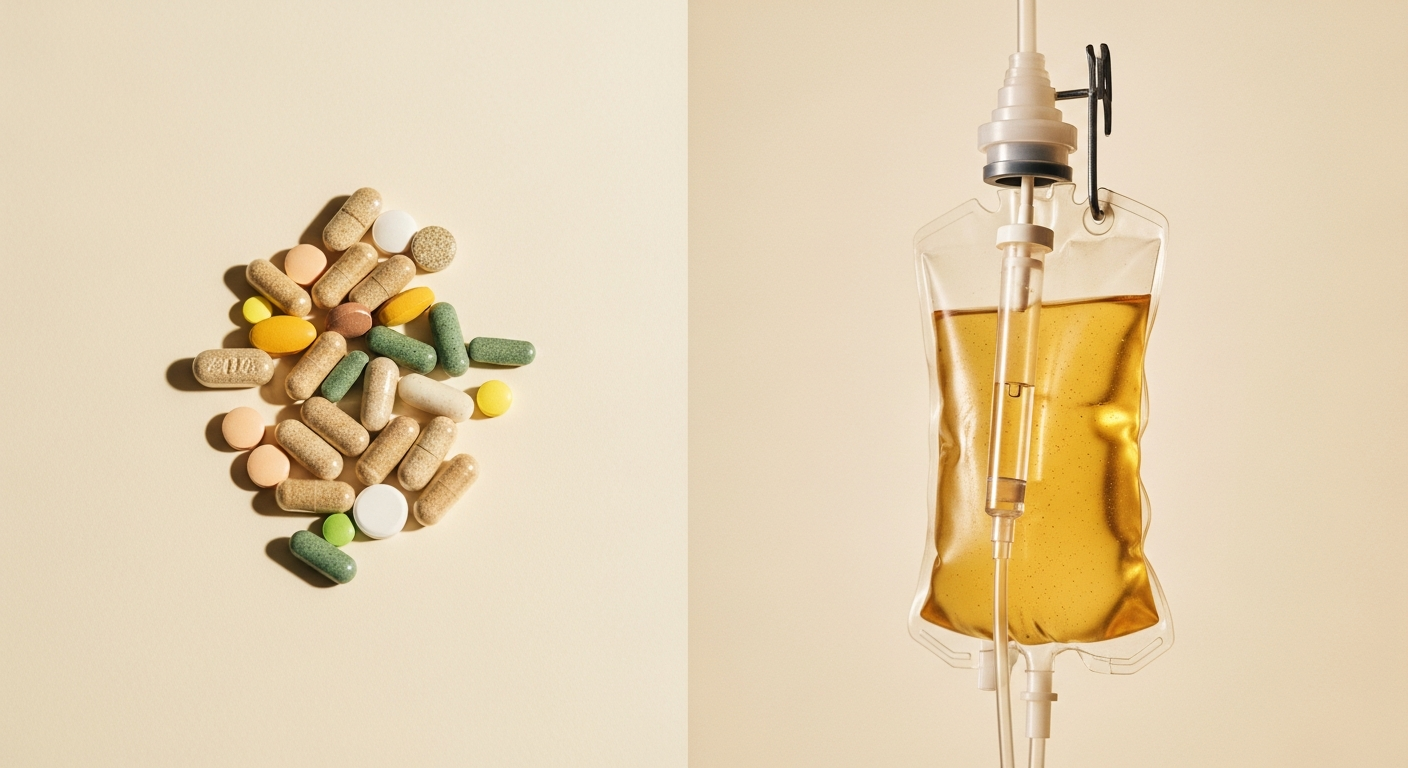
- IV therapy delivers vitamins, minerals, and amino acids directly into the bloodstream, achieving 100% bioavailability compared to 10-20% from oral supplements
- Sessions last 30-45 minutes and are administered by licensed nurses under physician supervision at Vitality by PACS in Alexandria, VA
- Common formulations target immunity, energy, athletic recovery, beauty, and hangover relief using pharmaceutical-grade ingredients
- Side effects are rare and mild; most patients resume normal activities immediately after treatment
- IV vitamin C reaches plasma concentrations 70 times higher than the maximum achievable through oral dosing (Nutrients, 2017)
- Patients with malabsorption conditions, chronic fatigue, or high-stress lifestyles benefit most from IV nutrient delivery
What Is IV Therapy?
IV therapy is a medical procedure that infuses vitamins, minerals, electrolytes, and amino acids directly into the bloodstream through a small catheter in a peripheral vein. The technique bypasses the entire digestive system, which means every milligram in the IV bag reaches systemic circulation. Research published in the Journal of Parenteral and Enteral Nutrition shows that oral supplements achieve only 10-20% absorption due to gastric degradation, transport saturation, and first-pass liver metabolism. IV therapy eliminates all three barriers.
Originally developed in hospital settings to treat dehydration and acute nutrient deficiencies, IV vitamin therapy has evolved into a proactive wellness tool. At Vitality by PACS in Alexandria, VA, our physician-supervised IV therapy formulations target specific goals including energy restoration, immune defense, and cellular recovery.
How IV Vitamin Therapy Works Inside Your Body
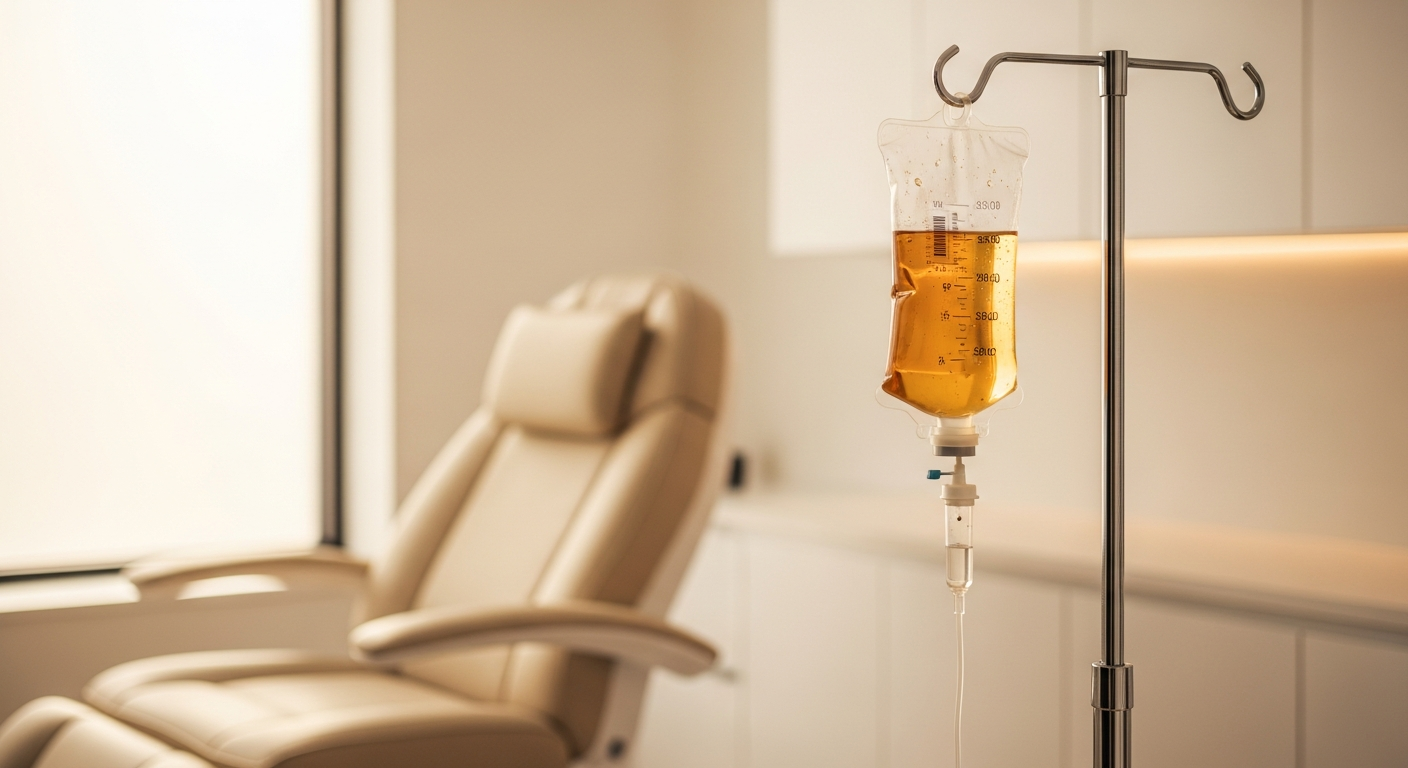
The procedure begins when a licensed registered nurse inserts a small-gauge IV catheter (typically 20-22 gauge) into a vein in your forearm or hand. The infusion bag contains a base of sterile normal saline (0.9% sodium chloride) or lactated Ringer's solution, combined with a customized blend of micronutrients calibrated to your health goals.
Nutrients enter the bloodstream immediately, reaching peak plasma concentration within minutes. Oral supplements, by contrast, require two to four hours to reach peak absorption and lose 80-90% of the dose along the way. A landmark 2004 study by Dr. Mark Levine at the National Institutes of Health demonstrated that IV vitamin C at 1,250 mg achieves plasma levels of 885 micromol/L, compared to just 135 micromol/L from the same oral dose (Annals of Internal Medicine, 2004).
The drip rate is calibrated so each session lasts between 30 and 45 minutes. During this time, nutrients distribute throughout the body, reaching muscle tissue, organs, and immune cells at therapeutic concentrations that oral dosing cannot match.
What Ingredients Go Into an IV Drip?
Every IV formulation at Vitality by PACS uses pharmaceutical-grade ingredients prepared in accordance with USP 797 compounding standards. The specific nutrients vary by formulation, but the most common active ingredients include the following.
Vitamin C (Ascorbic Acid)
Doses range from 1,000 to 15,000 mg per session depending on clinical indication. A 2017 study in Nutrients (PMID: 29099763) demonstrated that IV vitamin C achieves plasma concentrations 70 times higher than the maximum achievable through oral supplementation. At high doses, vitamin C functions as a pro-oxidant that enhances immune cell activity against pathogens.
B-Complex Vitamins
The full B-complex includes thiamine (B1), riboflavin (B2), niacinamide (B3), pantothenic acid (B5), pyridoxine (B6), and methylcobalamin (B12). These coenzymes are essential for mitochondrial energy production, red blood cell synthesis, and neurotransmitter metabolism. Patients who also want standalone B12 can add a vitamin injection to any IV session.
Magnesium Sulfate
Delivered at 1,000 to 2,000 mg per session, magnesium is a cofactor in over 300 enzymatic reactions including ATP synthesis, muscle relaxation, and nerve signal transmission. A 2020 study in Nutrients found that athletes frequently have suboptimal magnesium status despite oral supplementation because exercise increases renal magnesium excretion.
Glutathione
Known as the body's master antioxidant, glutathione is delivered at 600 to 2,000 mg as an IV push following the main drip. A 2015 study in the European Journal of Nutrition confirmed that oral glutathione supplementation at 250 mg/day failed to raise blood levels after four weeks, while IV glutathione achieves immediate and substantial increases in both plasma and intracellular concentrations.
Zinc Sulfate
Delivered at 5 to 10 mg per session, zinc supports immune cell function, wound healing, and protein synthesis. The NIH Office of Dietary Supplements reports that approximately 12% of the U.S. population is at risk for zinc inadequacy (NIH, 2023).
What to Expect During Your First IV Therapy Session
First-time patients at our Alexandria, Virginia clinic follow a structured five-step process designed for safety and comfort.
Step 1: Health intake. A brief consultation with our clinical team covers your medical history, current medications, allergies, and wellness goals. This screening identifies any contraindications such as congestive heart failure, severe renal insufficiency, or electrolyte imbalances.
Step 2: Formulation selection. Based on your intake, we recommend one of our 10 IV drip formulations. Options range from immune defense to athletic recovery to hangover relief. Each formulation targets different nutrient pathways.
Step 3: Catheter insertion. The IV line placement takes about 15 seconds. Most patients describe the sensation as a brief pinch, less uncomfortable than a standard blood draw.
Step 4: The infusion. You relax in a comfortable treatment chair for 30 to 45 minutes while the drip runs. Many patients read, work on their phones, or rest. Optional add-ons like a glutathione push take an additional 5 to 10 minutes.
Step 5: Post-treatment. The catheter is removed, a small bandage is placed, and you leave. There is no downtime. Many patients report feeling a noticeable energy boost within two to four hours.
Side effects are rare but may include a cool sensation along the vein during infusion, a mild metallic taste (common with glutathione), or slight bruising at the insertion site. Serious adverse events are extremely uncommon when IV therapy is administered by licensed professionals using sterile technique.
Who Benefits Most from IV Therapy?
IV therapy can support nearly anyone, but certain populations see the strongest clinical results based on their unique nutrient demands and absorption challenges.
Busy Professionals and High-Stress Individuals
Chronic stress depletes B vitamins, magnesium, and vitamin C at accelerated rates. A 2020 meta-analysis in Psychosomatic Medicine found that psychological stress increases urinary excretion of magnesium by up to 50%. IV replenishment restores these nutrients faster than oral supplementation can.
Athletes and Active Adults
Heavy training increases oxidative stress and micronutrient loss through sweat. The American College of Sports Medicine notes that athletes may need 1.5 to 2 times the RDA for several B vitamins and magnesium (ACSM, 2016). IV delivery ensures full absorption without gastrointestinal competition from food.
Patients with Malabsorption Conditions
Individuals with Crohn's disease, celiac disease, irritable bowel syndrome, small intestinal bacterial overgrowth, or a history of bariatric surgery cannot absorb nutrients effectively through the gut. For these patients, IV therapy is a clinical necessity rather than a luxury.
Patients Recovering from Illness
The immune system's demand for vitamin C, zinc, and glutathione spikes during infection. The NIH reports that plasma vitamin C levels can drop by 50% or more within days of acute illness (NIH, 2021). IV delivery keeps pace with this demand in a way that oral dosing physically cannot.
Patients on GLP-1 Weight Loss Medications
Patients taking semaglutide or tirzepatide for medical weight loss often eat significantly less, reducing nutrient intake. IV therapy and vitamin injections help maintain optimal micronutrient status during caloric restriction.
Popular IV Drip Formulations at Vitality by PACS
Our IV therapy menu includes formulations tailored to specific goals. Every drip is administered under medical supervision at our clinic in Alexandria, VA.
| Formulation | Key Ingredients | Primary Benefit |
|---|---|---|
| Immunity Boost | Vitamin C (10,000 mg), zinc, selenium, B-complex | Cold and flu prevention |
| Energy Restore | B12 (1,000 mcg), B-complex, magnesium, taurine | Sustained energy without caffeine |
| Athletic Recovery | Amino acids, magnesium, calcium, anti-inflammatory nutrients | Post-workout muscle repair |
| Beauty Glow | Biotin, glutathione, vitamin C, zinc | Skin, hair, and nail health |
| Hangover Relief | Ondansetron, B vitamins, electrolytes, saline | Rapid rehydration and nausea relief |
| Myers' Cocktail | Magnesium, calcium, B-complex, vitamin C | General wellness and fatigue relief |
The Myers' Cocktail deserves special mention. Developed by Dr. John Myers in the 1960s, this classic IV formulation was studied in a 2018 review published in the Journal of Alternative and Complementary Medicine. Researchers found that patients receiving Myers' Cocktail infusions reported statistically significant improvements in fatigue, mood, and overall quality of life scores.
IV Therapy Safety and Medical Oversight
IV therapy has an excellent safety profile when administered by licensed medical professionals using sterile technique and pharmaceutical-grade ingredients. At Vitality by PACS, every treatment is overseen by our clinical team of licensed physicians, nurse practitioners, and registered nurses.
All solutions are prepared in accordance with USP 797 compounding standards, which govern sterility, potency, and quality control for injectable preparations. Our clinic operates inside PACS Urgent Care, which means patients have immediate access to full urgent care services, lab work, and X-ray if needed.
Contraindications for IV therapy may include congestive heart failure, severe kidney disease, certain electrolyte imbalances, or known allergies to specific ingredients. This is why every patient completes a health intake before their first session.
IV Therapy vs. Oral Supplements: The Core Difference
The most common question first-timers ask is whether they can get the same results from pills. The short answer is no, not at therapeutic doses. Oral supplements must survive stomach acid, compete with food for absorption through saturable intestinal transporters, and pass through first-pass liver metabolism. This process reduces the effective dose by 80-90%.
For a detailed scientific comparison with absorption data for every major nutrient, read our full guide on how IV therapy delivers 100% absorption vs. 10-20% from oral supplements.
The optimal approach for most patients combines daily oral maintenance with periodic IV therapy for therapeutic-level dosing. Think of oral supplements as baseline insurance and IV therapy as targeted clinical intervention.
Frequently Asked Questions
How long does an IV therapy session take?
Most IV drip sessions at Vitality by PACS in Alexandria, VA last between 30 and 45 minutes. Add-on pushes like glutathione take an additional 5 to 10 minutes. Plan for approximately one hour total including your health intake, formulation selection, and the infusion itself. There is no recovery time needed afterward.
How often should I get IV therapy?
For general wellness, most patients benefit from one session every two to four weeks. Patients managing specific conditions, preparing for athletic events, or recovering from illness may come weekly. Our clinical team recommends a personalized cadence based on your individual goals and lab results.
Does IV therapy hurt?
The catheter insertion feels similar to a brief pinch and takes about 15 seconds. Once the IV is in place, most patients feel no discomfort at all. Some formulations may produce a mild cool or warm sensation in the arm during infusion, which is completely normal and resolves immediately when the drip finishes.
Who should not get IV therapy?
Patients with congestive heart failure, severe renal insufficiency, or certain electrolyte imbalances may not be candidates for IV therapy. Pregnant patients should consult their OB-GYN before any IV treatment. At Vitality by PACS, our required health intake screens for all contraindications before your first session. Find a location to schedule your consultation.
Medically reviewed by the Vitality by PACS clinical team. Last updated 2026-04-06.